
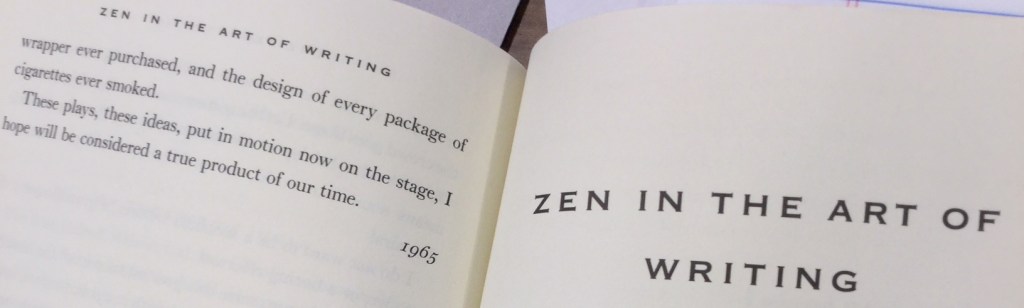
Ray Bradbury’s Zen in the Art of Writing: Essays on Creativity
Originally published on Feb. 27, 2018.
Ray Bradbury’s fiction is like a fire that lights the imagination of the reader. His non-fiction writing on the creative process spreads that fire, turning it into an inferno until it feels like it consumes him.
His 1989 Zen In the Art of Writing: Essays on Creativity, has that kind of effect on the reader. His prose reminds me of what Emily Dickinson said of reading poetry — that it makes her feel “physically as if the top of my head were taken off.”
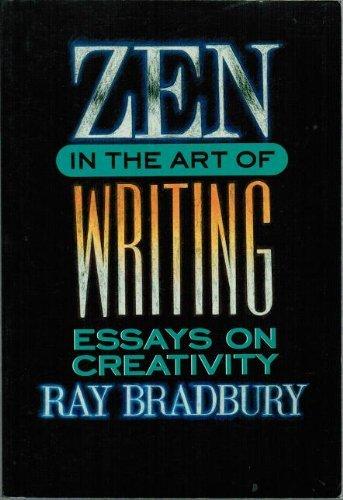
Several of the essays in this book have appeared elsewhere, like the wonderful story about how Bradbury spent his dimes at a public library renting the typewriter to write his classic Fahrenheit 451, which was released by HBO in 2018, as well as the story behind his Dandelion Wine. But it’s always rewarding to re-read them — and discover a few other gems along the way.
From his first essay “The Joy of Writing,” Bradbury inspires and enlightens the reader (and, perhaps, would-be writer) with his flourishes on what constitutes good writing.
Zest and gusto, he says. The words are rarely used, “Yet if I were asked to name the most important items in a writer’s make-up, the things that shape his material and rush him along the road to where he wants to go, I could only warn him to look to his zest, see to his gusto.”
With that, Bradbury rushes along to tell the reader about his own writing process. Particularly motivational is his famous instruction that writing a short story every week will eventually yield something of substance — that “quantity will make for quality” as it did for him with “The Lake,” which he says was his first “really fine story” after 10 years of writing.
“You must stay drunk on writing,” he says, “so reality cannot destroy you.”
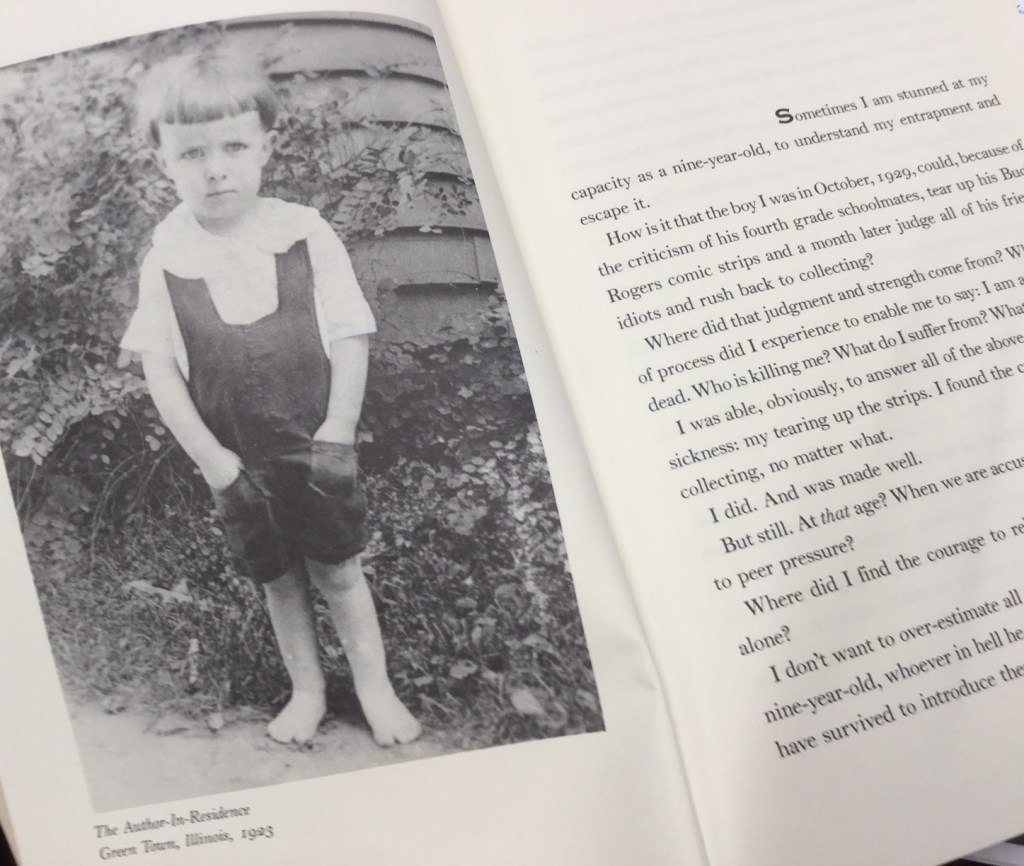
Bradbury’s book is also filled with zesty bits like his take on the role of the muse and value of work, and what a writer should be reading. There are passages about finding your own voice, character development, the marketplace. It includes some biographical details that helped shape the writer, like the ravine in Bradbury’s hometown of Waukegan, Ill. The book closes with several pieces of poetry — again, typical of Bradburian enthusiasm and zest.
In his title chapter, Bradbury admits the title is an odd one to describe the process of writing. But he explains himself by saying work, relaxation and his admonition “Don’t think!” will lead to a state of zen.
And for those who are not happy with how their writing has turned out, he advises pragmatism and to give it another try.
“If you do,” Bradbury writes, “I think you might easily find a new definition for Work.
And the word is LOVE.”


 Claudio D'Andrea
Leave a comment