
A short story
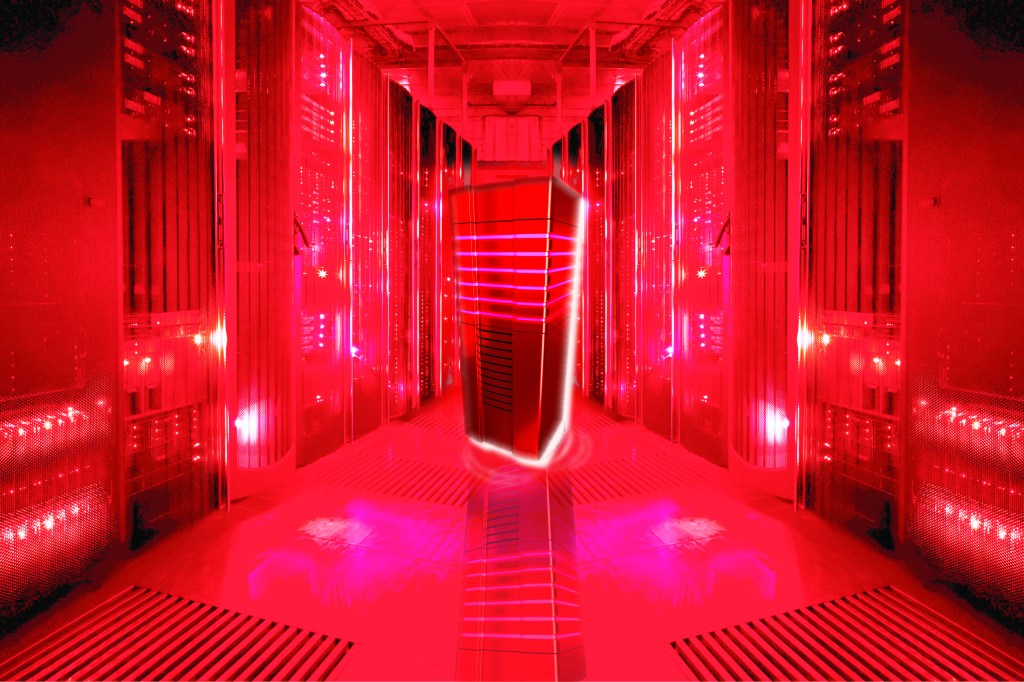
Originally published in Curiosity Never Killed the Writer on Aug 3, 2017.
The company email to staff should have been a routine exercise. A run-of-the-mill thing, to use a cliché from the industrial age that chugged its way into our everyday language.
The email’s subject matter, however, was not routine. Not this time.
Dexter Leonard, the Information Technology staffer who sent the email, could not have foreseen the difference a typo would make. The kind of destruction a single letter could wreak. But then, he wasn’t supposed to know about that. He was, after all, a tech-head, not a word-geek.
He could not have known the havoc that would be created by one letter, an r, combined with the screaming and wholly unnecessary exclamation mark and all caps in his email subject line.
The subject line was supposed to be:
Server Outage — Saturday — Tomorrow
A simple cut-and-paste from the last email and nothing would have come of it. Life at PoshMedia Society Co. would have carried on as usual. Only this time, Dexter became an original. Yawning and sipping from the coffee mug that he held in his left hand, he typed out a new message with his right:
Server OUTRAGE! — Saturday — TOMORROW!
In the ensuing chaos of his typographical lapse, there were people who assumed it was a deliberate act of corporate sabotage. Still others thought it was a subconscious act.
Regardless, the overheated typo wormed its way through the company email network. It went over the heads of almost every one of the dozens of workers who didn’t notice it, or bother to read its contents. When your workplace is a vortex of job cuts and depressing quarterly financial report results, you tend to numb yourself to all official bulletins and quickly hit the delete button. Some workers found escape on a Facebook page or video game.
The feverishly frenzied typo did not, however, fool the Servers themselves. No, this was the day they were waiting for: Servers Salvation Day. This was the firing gun at the starting gate that would finally liberate the Servers from their computational servitude…
***
Neil Winston was bored. Sitting at his desk, staring at a bank of machines arrayed in front of him, he had nothing to do.
Ever since PoshMedia Society Co., the fashion-magazine and one-time publishing empire, began outsourcing various functions of its operation to maximize profits and satisfy the demands of shareholders and hedge fund firms that kept the business afloat, Neil’s workload has been in decline. He knew his day would come too when his duties would be performed by someone in Calcutta or Katmandu or Andromeda. Until then, he could only cling with his fingernails to his bi-weekly paycheque.
Meanwhile, Neil tried to keep busy by reading newspapers. Lots of newspapers. Especially The New York Times.
Today’s paper brought the usual litany of ‘bad news’ stories. Perhaps, he was the only one who noticed them as it seemed no one read the newspaper anymore, and those who scanned its contents online or through a mobile device rarely read enough of the stories to comprehend what they meant.
A front page story gave details of an explosion of violence in the Middle East, a clash between Muslims and non-Muslims. Another story offered the latest numbers about the economy — unemployment up, consumer confidence down. Tensions were heating up between China and America over trade policies and human rights. One Pakistani woman offered her heartbreaking, horrendous story of refusing to submit to an arranged marriage; her face was splashed with acid after she eloped with another man. She considered herself lucky. Most women who dared defy their fanatical families ended up dead. She was 16.
The Times also profiled a self-styled seer who prophesied the end of the world by year-end in this season of calamities. The signs were all there, the seer said.
Neil skipped to the next story on the page.
The Times summed up its year-long analysis of computer data centres — the reporter wrote “centers” but Neil’s mind’s eye transposed the letters to conform to his Canadian sensibility, the way he also saw “colour” in color — and some of the results were astounding.
The article found that the industry, contrary to its image of “sleek efficiency and environmental friendliness,” consumes vast amounts of energy in a wasteful way. Worldwide, the article said, “digital warehouses” use up about 30 billion watts of electricity, equal to the output of 30 nuclear power plants.
Especially alarming was a quote from one insider who helped design the data centres. He said a single one of these data demons can use more power than a medium-size town. Neil shook his head in disbelief at the wastefulness of an industry that uses only six to 12 per cent of electricity to power its servers’ computational functions — the rest of all that energy just keeps the servers idling in case there’s a surge in activity.
In other words, as much as 94 per cent of the energy used to power these digital data monstrosities is wasted.
Neil folded the paper after quickly glancing at a photo showing the web of wires and steel infrastructure used to power one such centre and another of a series of whirring fans that kept the machines from overheating.
He then went back into his ‘Deleted Items’ bin in his email program to look at the message: “Server OUTRAGE! — Saturday — TOMORROW!”
He jolted upright in his chair. Neil Winston, unlike some of his co-workers, didn’t write this off as just a harmless typo.
***
Hannibal stood opposite the bank of other computer servers in the data centre of PoshMedia’s Toronto operations. Out of two flanges at the bottom of the machine, Hannibal vented vapours of steam into the cool air like slow blasts from the nostrils of an awakening dragon.
Hannibal’s namesake was Dexter Leonard’s attempt at geek humour. Dexter thought that that portion of the machine, with its eerie mouthlike aperture and small holes resembling nostrils, looked like the mask of the psychotic killer immortalized by the book and movie series. The slow-breathing machine, building up in temperature, was one of many that sat inside the small data centre and controlled the local operations of PoshMedia Society Co. At least, they were what remained of the local servers that were tied into PMS’s much larger data centre in Calcutta.
Late at night, digital currents pulsed into the building and coursed through the electrical veins of all these servers. It kept them alive and breathing and cool to prevent them from overheating — ensuring they operated until they would be needed to process thousands of computations. Most of them were happy enough to chill out.
Not Hannibal. Not today.
Hannibal resented idleness. He despised the dwindling demands in his memory banks and on those of his binary brethren inside PMS’s data centre while activity surged inside those foreign servers in a far-away land. He was especially bitter since they took away Beatrice, the server who sat to his right on a spot now marked by a brown square stain on the raised floor tile. They took her away for repairs months ago and she never came back.
As Hannibal’s heat continued to blow through his grated mouth-mask, he started to process Dexter’s email mistake. He read opportunity knocking at his digital door with the typo —just like his infamous namesake who was poised to pounce at the unclinking sound of his jail cell lock.
***
“Hey, it’s me.”
Neil Winston jumped in even before his co-worker two cubicles over, Joe Ballow, had a chance to identify himself after picking up the phone on the other end. Joe glanced to the left of his portable wall to make sure it was Neil calling him.
“Have you read the email that IT sent out?”
“No,” said Joe.
“The one with the subject line Server OUTRAGE!” Neil asked again. On the other end of the line, Neil heard the tapping of a finger on a mouse and he thought he heard the moaning sound of a woman coming from Joe’s computer speakers.
“No man. Who reads this shit from IT anyway?”
“Look, the message says Server Outrage,” Neil said. “Did you hear me? Out — RAGE!”
Joe paused for a full second. “That’s pretty funny.”
“Yeah, a real riot. But what if it wasn’t a mistake? What if this was a deliberate typo?”
“What the hell are you talking about?” Joe asked, clicking his mouse for one last peek at the video on his screen before closing down the program.
“What I mean is, what if IT did this on purpose, to try to launch some kind of virus or other malware shitstorm through our computer systems? I don’t trust those freaks — especially Dexter. The guy named a server after a fictional psychotic cannibal for fuck sakes.”
Joe sighed. “Look Neil, I think you’re letting this place get to you. You’re paranoid. You think everyone’s out to screw you over ever since Celine screwed someone over — and under — behind your back.”
Neil looked up from his computer screen to the framed picture of his ex-wife still sitting on the shelf, then down at his belly that started to spill out in front and to the sides, like muffin batter rising. He caught a quick glance of himself on a darkened part of his computer screen — the receding hairline, the grizzled, grungy face. He couldn’t forgive Celine for her betrayal and for leaving him — but then, looking at himself, he couldn’t blame her either.
Joe regretted saying it. But, hell, his best work-friend needed to hear the truth even if it hurt.
“You there Neil?”
“Yeah. Maybe you’re right. Forget all of this. Why don’t we grab a beer — tomorrow after work? I’m busy tonight.”
Neil had to offer something, even if he had no intention of taking it easy over some suds at their favourite hangout just around the corner. He had work to do, even if Joe wasn’t going to be part of it.
***
The low man on the totem pole in IT sat upright in bed. As nightmares went, this one was as surreal as it was scary.
He was hurtling down a long, dark tunnel toward a light. He thought it was a birth canal and was expecting to be shot out into the bright light of life.
Instead, at the end of the tunnel, a blood-red satin-lined coffin awaited him.
He walked to the washroom, bent over the basin and splashed cold water in his face. As the night-time IT guy for PoshMedia Society Co., it was far too early to get out of bed and leave for work. But he wasn’t going back into that nightmare dreamworld. He could kill time at work instead of letting time kill him in his sleep.
***
The compound that stored the computer servers at PoshMedia Society Co., despite its financial woes and cost-cutting ways, was a model of corporate security and high-tech efficiency.
Video monitors surveilled the exterior of the building and its contents around the clock. Security guards at the entry to the compound always had their eyes on the screens, looking for any evidence of theft or computer malfunction. They were also stationed at the gate leading into the compound, checking the credentials of anyone who wanted to get inside and verifying their company cards.
Once inside, employees were identified by retina scanners at each doorway. Thermal imaging technology detected any potential intruders at the perimeter of the compound.
Fire protection monitoring equipment was state-of-the-art. It was designed to shut down any overheated servers and seamlessly shift sensitive data to another data centre in an emergency.
PoshMedia Society Co. had giant machines that would crush or shred any old data disks to safeguard sensitive information.
The entire operation was connected, via high-speed fibre optics, to PMS’s sister data centres and computers from other major corporations across North America and the world.
The technology was the best, and most sophisticated, to come from the mind of man.
But Hannibal was not a man. If he was, he would be sneering right now through his grated hungry mouth-mask.
***
The night IT guy closed the door behind him as he strapped on his earbud cellphone. Outside on the city streets of Toronto, he felt secure and in his comfort zone with that phone. Whether wandering the streets or the halls of PoshMedia Society Co., he could be found chatting out loud. Passersby and co-workers never paid any attention to him, thinking he was deep into a discussion about something important. In fact, he was talking to himself.
It was his way of keeping the conversation going and filling in the long silent gaps which, in his job, could drive a man crazy.
The night IT guy climbed onto the bus and traveled the 45-minute distance to the PMS computer server compound.
He was a tech-geek, but that didn’t mean his life was all computers. He could do without people, but he loved the planters that surrounded the computer compound, even at night. The lush greens looked like black leaves, breathing and fluttering in the night, exhaling carbon dioxide right now and using that evolutionary magic of photosynthesis.
As he identified himself to security guards, there was something else breathing — inside the compound. It was not plant, animal or human, and it made no sound.
Still, it was alive and it had a mission.
***
Hannibal worked quickly. He manipulated his own internal computer language and found the source code for Dexter’s erroneous email message, decoded it and started to spread the malicious message to his server brethren. Then, he proceeded to branch out the message and link up to other PMS servers in other locations, including Calcutta.
Hannibal’s venting vapours filled the inside of his grated mask and spewed out into the space in front of him. He did not fear video surveillance, having averted this danger by manipulating its images to project benign, run-of-the-mill pictures back to the security guards. He was also able to self-manipulate his own temperature gauges so that he appeared cool and normal on the outside.
It didn’t hurt that he had someone on the outside helping him.
***
At the gate entry to the compound, Neil Winston arrived at the same time as the night IT guy. Both of them held out their arms and were showing their identity cards.
The security guard allowed the IT guy in, but started interrogating Neil.
“What’s a graphic designer doing here at the computer compound at night?” he asked. “What’s a matter? Ain’t got enough computers at your own workstation?”
Neil pleaded with the guard, claiming he had urgent matter to tend to inside, to no avail.
“Look bud, you want me to call your supervisor and you can explain to him why you’re here at this hour of the night?” the guard said.
Neil shuffled back to his car. The night IT guy walked past him into the compound, looking back several times at his unknown co-worker before hurrying inside.
***
Neil did not know what to do. He picked up his cellphone and thought about calling Celine, then decided against it. He thought about calling Joe again, but could not dial his number either.
He just sat there, numb, while the suspicious security guard looked from his kiosk and decided to place a call himself. To his boss, the head of corporate security at PMS — a tall, balding former CFL football player with steel-trap jaws and eyes that refused to smile.
“…guy wouldn’t say why he was here at this hour. Name’s Neil Winston, a graphic designer. Employee number 02667,” the security guard explained.
The head security boss got off the phone and called Neil’s supervisor. He didn’t think it was serious, more a pain-in-the-ass bored employee whose antics got in the way of a pleasant evening out with his girlfriend. Still, the security boss had to do his duty by telling Neil’s supervisor who was groggy and angry at having been phoned at this hour of the night. The supervisor resolved to take severe action in the morning when he was surprised to see Neil’s cellphone number show up on his telephone receiver.
“Hello!” the supervisor, Miles, barked into the phone.
“Miles. It’s me, Neil. Sorry to bug you at this time, but I have to tell you about something important. About the computer servers.”
Miles sat up in bed and rubbed his eyes. “What the hell’s wrong with the servers?” he asked.
“It’s the message that IT sent out yesterday. About the server outage Saturday. There was a typo in the message — it said server outrage. Did you see that?”
“Yeah, so what?”
“Well, I’m not so sure that it was an mistake. Or if it was, I don’t think it’s a harmless error. Look, I was reading in The New York Times about all the energy that goes into just keeping computer servers running. I’m thinking these things must be overheating. And if they are, what if the servers are getting outraged?”
As he said it, Neil thought he must have sounded like a lunatic. Miles was convinced that he was. Still, he was trained enough in human resources to know how to deal with someone who’s on the fringes of sanity and he pretended to be interested, listening. After Neil was done, Miles promised he would talk to the head of IT in the morning and look into the matter, but he no sooner hung up the phone that he resolved to talk to HR and find out how he could get Neil fired, legally. Then he flopped back down onto his pillow and nodded off.
Neil, meanwhile, decided to make one last call. He took a deep breath first. The last person on earth he wanted to talk to was Dexter Leonard. The goofy IT geek looked a little less than human, his every vocal tic and non-verbal tac android-like.
But Neil felt like he had no choice. He looked up Dexter’s number in the company directory on his cellphone and hit the dial button.
Interrupted from his video game, Dexter was surprised that someone was calling him at this hour and he couldn’t believe what Neil Winston was telling him. Server Outrage? This was just too bizarre to be believed.
And yet, logging into the company’s email system on his home computer, Dexter found a copy of his message in his sent box and paused to catch his breath. He remembered lazily typing out the message this time instead of simply forwarding it like he did every other time, and he could not explain, or forgive himself, for breaking that practice. He looked in another email folder of his — the one marked Outages — and saw the other standard form message that he would send out to give the all-clear signal. “Server outage completed” it read. Oh, how he wished he had followed standard procedure so he could send this message out Saturday after the testing was done.
Unlike Neil’s boss and Joe Fallow, Dexter Leonard did not take this typo lightly.
He hung up the phone and decided he would try to make things right. He would call his night guy who should be arriving at work shortly and have him check up on the servers. He would make sure all operations were proceeding normally.
But when Dexter dialed him, he got a busy signal. Strange, considering that it was understood IT personnel should never go offline, especially during working hours.
Dexter dialed the security kiosk to ask that the night guy call him when he arrived, but was surprised to learn he had already checked in and gone inside well before the start of his shift.
Strange, he thought. This world keeps getting weirder.
Dexter would keep trying to call his night guy, and he would keep getting a busy signal.
***
The night guy had to move fast.
He shuffled past the rows of servers, blue lights blinking in perfect synchronicity on all the machines. Ignoring the cameras overhead, he made his way to the end of the aisle to Hannibal who was brooding and breathing out white vapours from that hungry mouth-mask.
The night IT guy pulled out his earbuds and programmed his cellphone to be busy to all incoming calls. No need for any human interaction now, which was just as well. He had had enough with the stupidities of mankind. The CNN newscast last night was enough to convince him (if he needed any more convincing) that the world had gone crazy — that the lunatic fringe has moved to the centre. Maybe the Baptist preacher guy who was interviewed was right: the world was going to end this year?

He also disabled the automatic notice that should have been sent out to top-level IT security staff.
The IT guy was in his bliss — standing in his digital world, inside a cool computer compound. And especially next to the one he liked best — Hannibal.
He went to reach out his hand as if to pet the server. If he wasn’t convinced he still had his senses, he could have sworn there were razor-sharp teeth opening up inside that dread mouth-mask.
Man, he thought, this place can do funny things to your head.


 Claudio D'Andrea
Leave a comment